What Cafés Should Check Before Ordering Eco Packaging in Bulk
 By
/ 8 September 2026
By
/ 8 September 2026 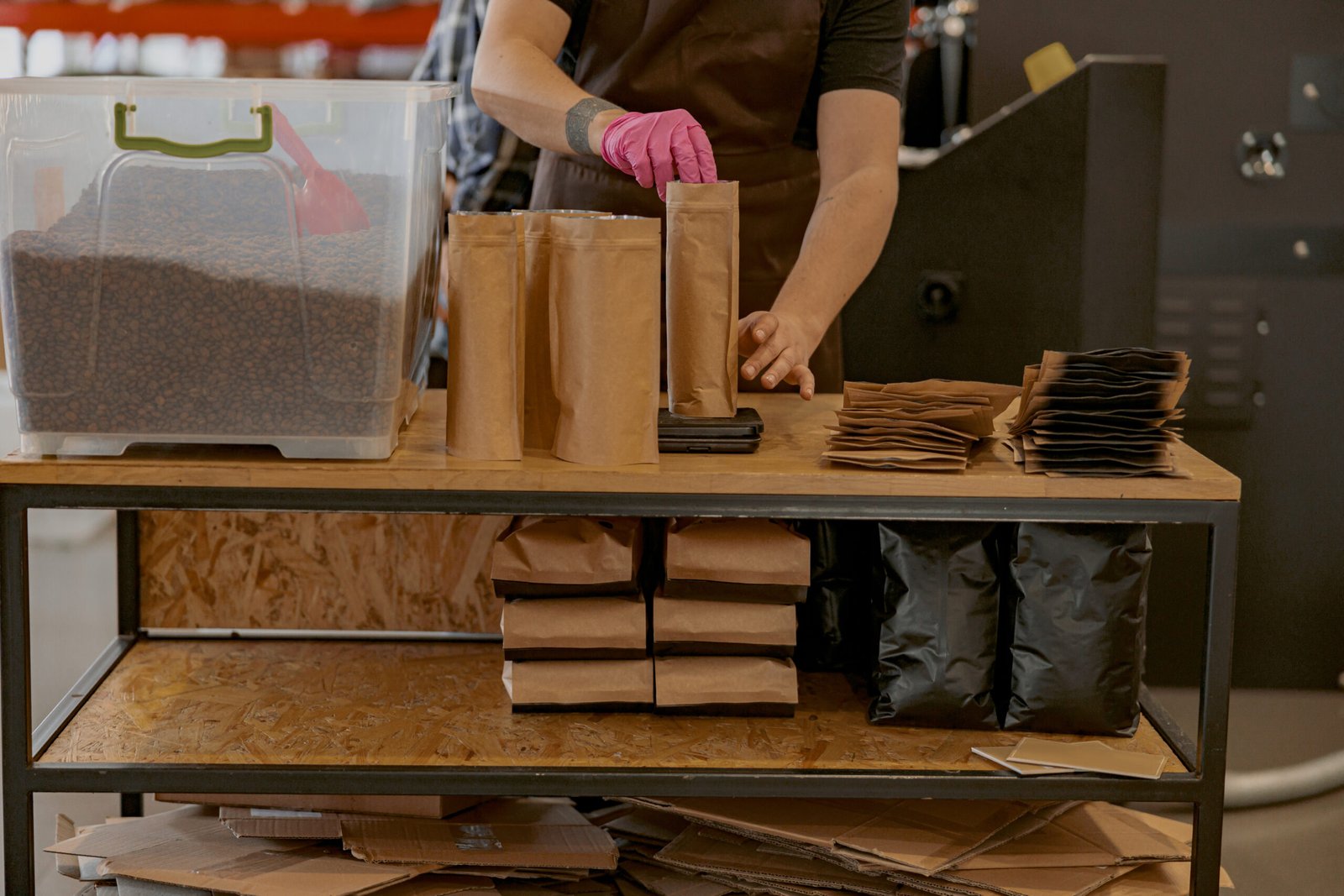
Bulk ordering can be a smart move for cafés, but only when the packaging fits the way the venue actually runs. A café may go through hundreds of cups in a morning, use containers only for certain menu items, or need bags that can handle mixed takeaway orders without slowing the team down.
For cafés comparing eco packaging solutions in Melbourne, the goal is not just to stock up. It is to choose packaging that supports the counter, the kitchen, the customer and the space behind the scenes.
The Morning Coffee Rush
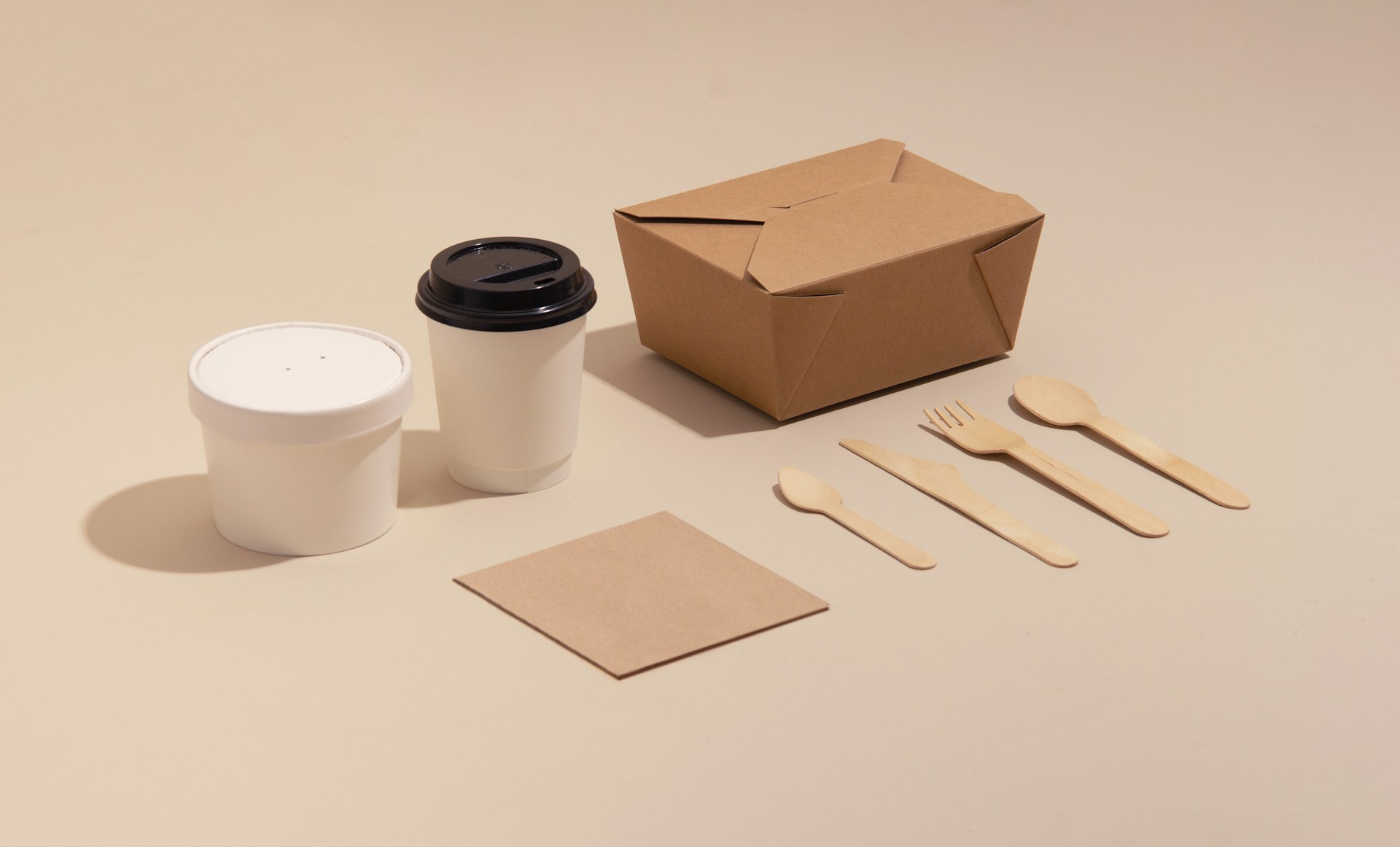
Coffee packaging needs to work when things get busy. Staff should be able to grab the right cup, lid or carrier quickly, without stopping to check whether the pieces fit together.
Before ordering in bulk, cafés should look at their most common coffee sizes, the number of takeaway drinks sold each day and whether iced drinks need a separate setup. Lid fit is especially important. Even a small mismatch can slow service and create avoidable spills.
For coffee cup packaging, everyday handling matters more than looks alone.
The Lunch Service Shift
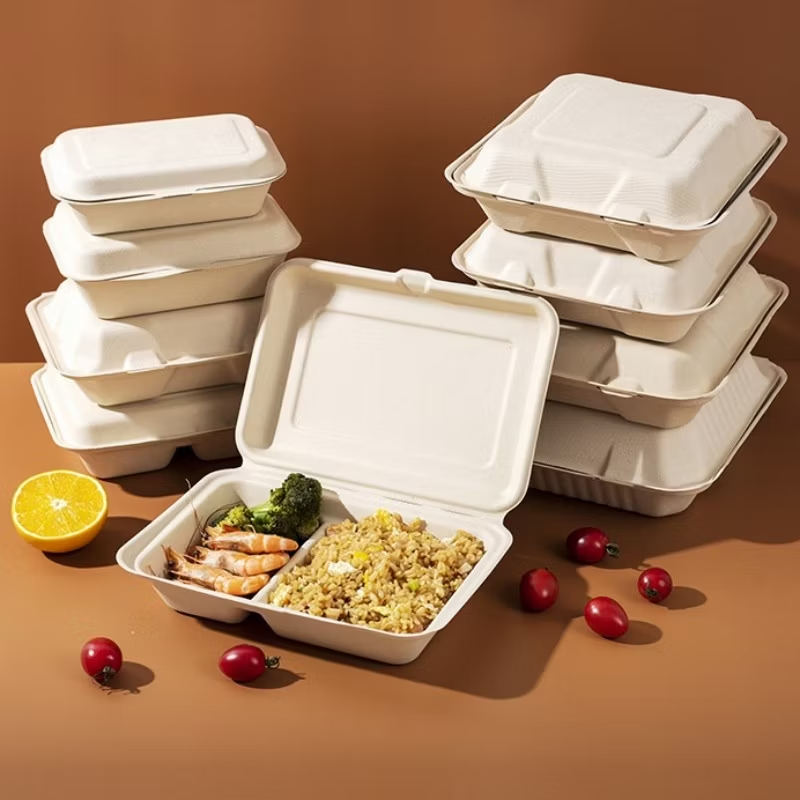
Lunch orders can place different pressure on packaging. Sandwiches, salads, wraps, pastries, hot meals and snacks all need different levels of support.
A container that works for a dry item may not suit food with dressing, sauce or heat. Likewise, a bag that is fine for one pastry may not hold a larger takeaway order neatly.
This is where cafés should think in menu groups rather than individual products. Grouping items by hot, cold, dry, saucy or fragile can make bulk ordering much easier.
The Customer Carry Test
Packaging needs to work after it leaves the counter. A customer may carry a coffee and a meal back to the office, take food home in the car or walk a few blocks with the order in hand.
Before placing a large order, try out the combinations customers actually buy. Check whether a drink sits securely beside the food, whether the bag can handle the weight and whether everything is still easy to open and eat at the other end.
For takeaway packaging for cafés, the real test is not only how it looks on the bench. It is how well it handles the journey.
The Storage Reality
Bulk cartons can take up more space than expected. Cups, bowls, lids, bags and containers all need to be stored somewhere clean, dry and easy to access.
A café with limited back-of-house space may need to be more selective with quantities. It may also help to keep high-use items close to service areas and slower-moving stock stored separately.
Good café packaging storage helps the team work faster because they are not constantly searching for the right size or moving boxes around during service.
The Staff Workflow
Packaging should be easy for staff to use when the café gets busy. If lids are hard to fit, containers stick together, or people have to stop and hunt for the right item, service can slow down quickly.
That is why the small details matter. Products that stack neatly, come in clear sizes and are easy to grab can make the whole setup simpler to work with during a rush.
A practical range should be easy for new and experienced staff to understand.
The Menu Change Question
Café menus often change with seasons, specials or customer demand. Before buying too much, it is worth asking whether the item will stay on the menu long enough to justify a large order.
Core items, such as popular drink cups or everyday bags, may be easier to order in larger volumes. Packaging for seasonal meals or trial menu items may be better purchased in smaller amounts until demand is clearer.
This helps avoid clutter and reduces the chance of holding stock that is no longer useful.
The Presentation Factor
Customers notice packaging, even when they do not think about it directly. A neat container, secure lid or clean takeaway bag can make the order feel more organised.
Packaging does not need to look elaborate to work well. For most cafés, a simple, consistent look is enough. What matters more is that it suits the food, works properly during service and feels like part of the same order.
A coffee, snack and takeaway bag should feel like they belong together, not like they were chosen from three unrelated systems.
The Bulk Ordering Balance
Buying in larger quantities can make stock planning easier, but the order still needs to reflect what the café actually uses. Running short creates a scramble, while ordering too much can quickly eat up storage space and leave staff with more stock to keep track of..
A sensible approach is to review what moves quickly, what is used occasionally and what may change soon. This gives cafés a clearer idea of which items are worth buying in larger volumes.
For bulk food packaging, the best order is usually the one that reflects the café’s real trading rhythm.
Making Bulk Packaging Work in Real Service
The right bulk order should support the café from morning coffee through to lunch, takeaway orders and end-of-day clean-up. It should fit the menu, suit the storage space, be simple for staff to use and make the customer experience feel more organised.
For cafés looking at eco-friendly packaging, Eco Compostable offers options for coffee, takeaway meals, catering, and day-to-day food service. Choosing packaging that fits how the café actually operates can make bulk ordering easier to manage and less reliant on guesswork.