Common Mistakes to Avoid When Choosing Clamshell Food Packaging
 By
/ 10 August 2026
By
/ 10 August 2026 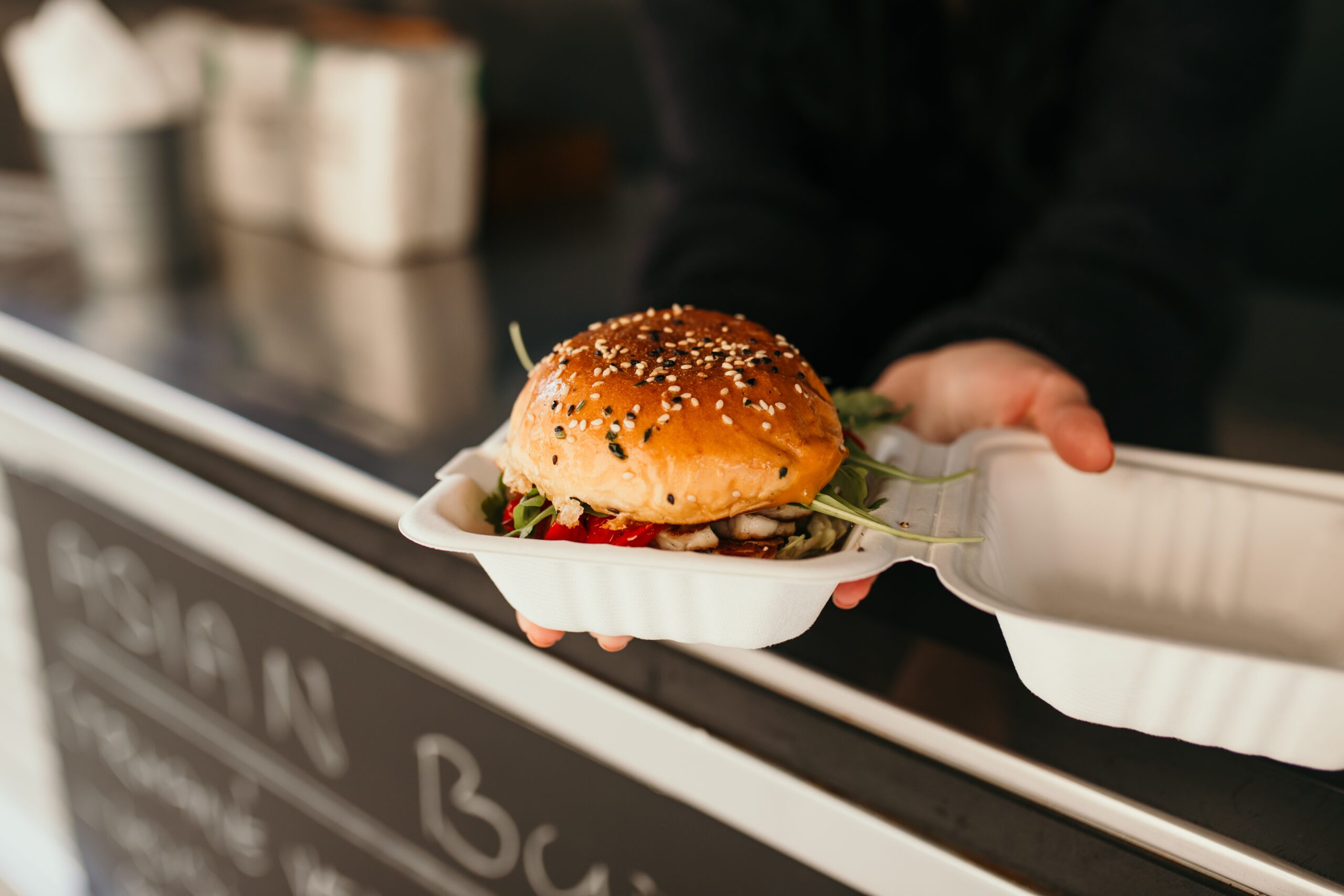
Clamshell containers are widely used in takeaway service because they are simple, practical and easy to handle during busy periods. They can suit burgers, snacks, hot meals, cold items, mixed portions and grab-and-go food, depending on the style selected.
Still, not every option will suit every menu. Choosing clamshell food packaging should come down to how the meal behaves once it is packed, carried and opened by the customer.
Mistake 1: Choosing by Size Alone
Size matters, but it is not the only detail to consider. A container may look large enough, yet still feel awkward if the food sits too loosely, presses against the lid or shifts around during transport.
A better approach is to think about the full meal. Is it tall, saucy, dry, layered or likely to move? Does it need space for sides, garnish or a small container of sauce?
The right fit should hold the portion neatly without making the food look cramped or lost inside the box.
Mistake 2: Ignoring the Type of Food Being Packed
Different meals need different support. A burger does not behave like noodles, chips, rice, salad or a mixed lunch plate.
For takeaway meal containers, it helps to group menu items by how they travel. Dry foods may need room and structure. Hot meals may create steam. Saucy dishes may need stronger containment. Cold items may rely more on neat presentation.
Matching the container to the food type can make service smoother and reduce avoidable packing problems.
Mistake 3: Forgetting About Steam and Texture
Hot food can soften quickly when steam builds up inside a closed container. This is especially noticeable with fried, toasted or crisp items.
If texture matters, the packaging should suit how the food needs to breathe, retain heat, and remain practical for takeaway. The answer is not always the largest box or the tightest lid.
For some menu items, a little extra space or a different format may help the meal arrive in better condition.
Mistake 4: Overlooking Lid Fit
A clamshell design is convenient because the lid is attached, but that does not mean every lid will suit every order.
If a meal sits too high, the lid can be difficult to close. If there is too much empty space inside, the food may slide around on the way to the customer. Both can make the order look untidy and create extra handling for staff.
Good takeaway food presentation starts with a container that closes neatly, stacks sensibly and feels secure enough for staff and customers to manage.
Mistake 5: Not Considering Mixed Meals
Many takeaway meals include more than one element. Think of mains with sides, salads with dressing, rice dishes with toppings, or hot foods paired with something crisp.
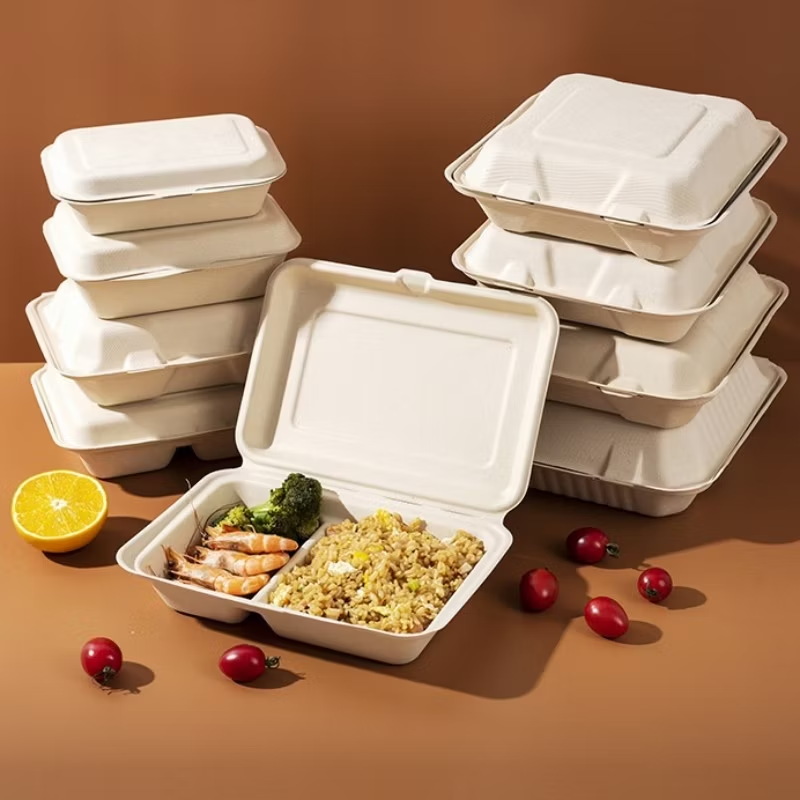
If these items are packed together without enough separation, the meal can become messy or lose its intended texture. In some cases, compartment clamshell containers may be worth considering because they can help keep different parts of the order more organised.
This is especially useful for lunch packs, catering-style portions and meals where presentation matters after transport.
Mistake 6: Choosing Packaging That Slows Service
During busy periods, staff need packaging that is easy to grab, fill, close and stack. If a container is difficult to open, hard to separate or awkward to store near the service area, it can slow down the line.
A good takeaway setup should support the pace of the kitchen or counter. That means looking at stackability, storage space, quick access and how easily staff can identify the right size during service.
Small handling details can make a noticeable difference when orders are coming through quickly.
Mistake 7: Not Testing the Customer Experience
Packaging does not stop being important once it leaves the business. Customers still need to carry it, open it and eat from it comfortably.
Before choosing in larger quantities, it helps to test a real order. Check whether the container is easy to hold, whether the lid opens cleanly and whether the meal still looks presentable after being carried.
This simple step can reveal issues that are hard to spot when looking at packaging on its own.
Mistake 8: Ordering Without Checking Storage Space
Clamshell containers can take up space quickly, especially when several sizes are used. A large order may be practical only if there is enough clean, dry and accessible storage available.
For bulk food packaging, storage should be part of the decision. High-use items should be easy for staff to reach, while slower-moving sizes should not crowd the main work area.
A well-organised setup helps keep service moving and reduces clutter behind the counter.
Mistake 9: Using One Option for Every Menu Item
It can be tempting to simplify ordering by using one container for everything. Sometimes that works, but it can also lead to poor fit, wasted space or meals that do not travel well.
A small range of carefully chosen sizes may work better than forcing every dish into the same format. There is no need to stock dozens of options either. The idea is to have enough menu choices while still keeping ordering and storage simple.
Choosing Clamshells With the Menu in Mind
Avoiding common mistakes with clamshell packaging is mostly about thinking beyond the container itself. Food texture, portion size, lid fit, service speed, storage and customer handling all play a part in whether the final choice works well.
For food businesses comparing clamshell options, Eco Compostable offers practical food packaging for takeaway services, catering, cafés, restaurants, and food trucks. Choosing with the menu and workflow in mind can make packaging easier to use during service and better suited to the meal once it reaches the customer.